

Written by Gurjit Ghai, REALTOR®
Rexara Realty Inc.·Published: November 21, 2026·Financing
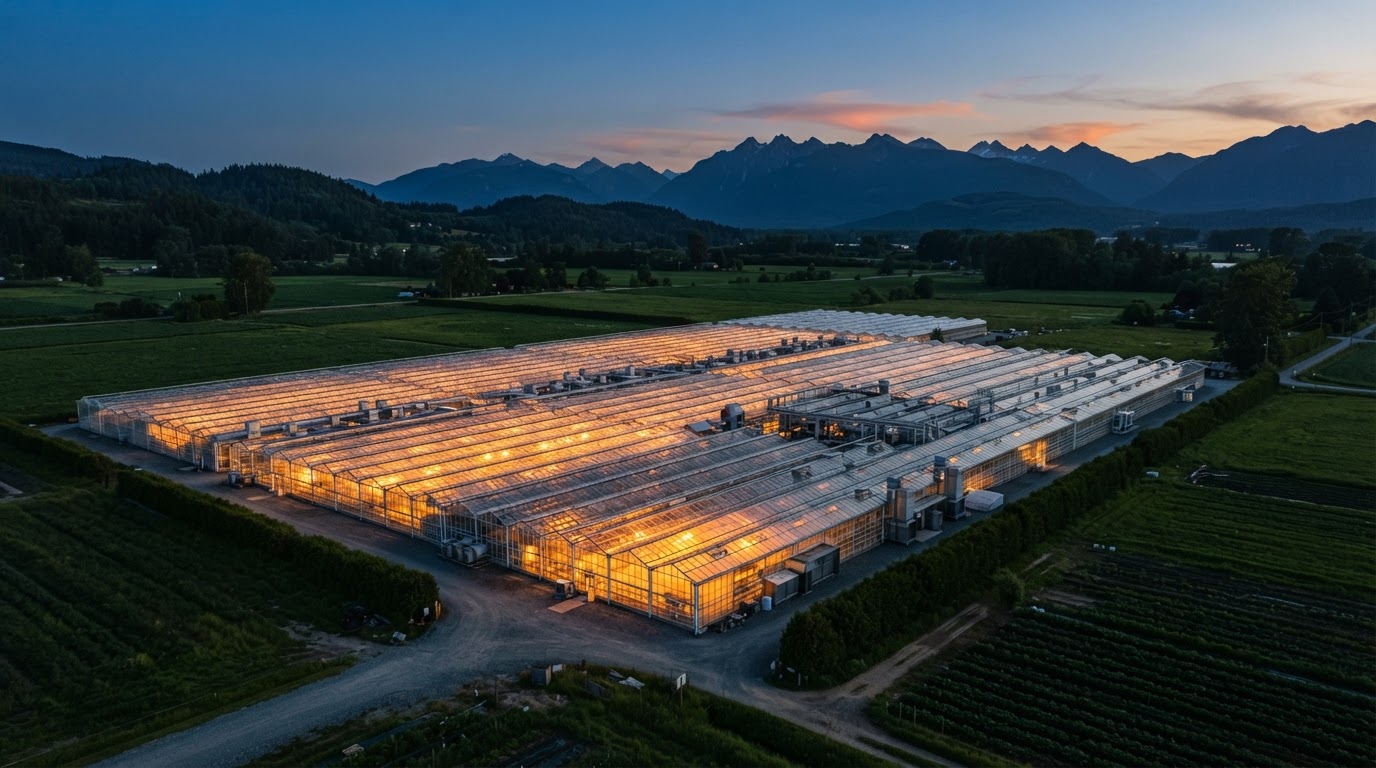
If you are moving from a residential purchase to your first farm, the financing conversation changes. A residential mortgage underwrites a borrower and a house. A farm loan underwrites a borrower, a house (if there is one), the land, the water, the soil, the farm income, and — on ALR property — the land-use restrictions that protect the parcel as farmland. The same borrower who is pre-approved for a home can be declined, or approved on different terms, for a working farm down the road.
This article is an introductory guide to financing a BC farm purchase: what a lender actually evaluates, how agricultural land is different from a residential lot, the main lending paths, and what to prepare before you apply. It pairs with our Financing a Farm guide and our deeper FCC vs. bank vs. vendor take-back comparison — read those for the next layer of detail.
The short answer
There is no single 'farm mortgage.' Financing a BC farm purchase usually means a specialist agricultural lender (such as Farm Credit Canada), a chartered bank's agribusiness division, or a vendor take-back — and the right path depends on the property's farm income, whether it has a residence, its ALR status, and what you can qualify for. Speak to a lender who understands agricultural property early — before you make an offer.
What a farm lender actually evaluates
A residential lender asks three questions: can you pay, is the house worth it, and can we resell it. A farm lender asks all of that plus: can the land produce, is the water secure, is the operation viable, and if we have to resell, can we resell it as a farm. That shifts the file from a simple income-and-credit check to a business underwrite.
Expect a farm lender to look at the following, in addition to the usual credit and income review:
- Soil capability and usable acreage — how much of the parcel is actually productive for the intended operation.
- Water — licensed surface water, groundwater licences, well records, and whether the allocation matches the acreage you intend to irrigate (see our water rights guide).
- ALR status and land-use restrictions — whether the parcel is in the Agricultural Land Reserve and what that means for resale and development (see our ALR guide).
- Farm income — actual or projected gross farm income, and whether the operation can service the debt alongside your other obligations.
- Improvements — barns, greenhouses, irrigation, fencing, processing facilities and their condition and permitted use.
- Quotas and supply-managed production — for dairy and poultry, whether quota transfers with the sale or is a separate asset.
- Existing leases, licences or encumbrances that affect what the land can be used for.
Why ALR land changes the financing math
On ALR farmland, the land-use rules that protect the parcel as agricultural land also limit a lender's exit options. Because ALR land cannot be freely subdivided, developed, or used for non-farm purposes, a lender financing it has to assume the resale path is as farmland — not as development land. That can mean a lower loan-to-value, different amortization, or additional documentation compared with an unrestricted residential lot.
This does not make ALR land unfinanceable — specialist agricultural lenders understand it well. It does mean the financing structure is built around the land's agricultural value and the operation's income, not around speculative development potential. Confirm the parcel's ALR status on the Agricultural Land Commission portal before you assume anything about financing terms.
The three main lending paths
Most BC farmland buyers end up in one of three lending paths. Each has a different comfort level with farm income, ALR land, and non-residential value:
| Path | Best for | What they look at |
|---|---|---|
| Farm Credit Canada (FCC) | Working farms with farm income; ALR land | Farm income, soil, water, the operation's viability; understands ALR restrictions |
| Chartered bank agribusiness desk | Mixed residential + farm value; stronger residential component | Borrower credit and income, the residence value, farm income as support; bank policy on ALR varies |
| Vendor take-back mortgage | Bridging a gap neither lender will fill; unique properties | The seller's comfort with the buyer and the deal; terms are negotiated, not underwritten to a standard |
There is no universal 'best' option. A specialist lender like FCC often understands farm income and ALR land better; a bank can be competitive when the property has strong residential value; and a vendor take-back can bridge a gap the other two will not fill. For the full comparison of how these three paths differ on rate, down payment, and documentation, read our FCC vs. bank vs. vendor take-back article.
Down payment and documentation
Agricultural lending often requires more documentation than a residential mortgage, and the down payment can differ. Do not assume the residential minimums apply to a working farm. Expect to prepare, at minimum:
- Personal financial statements and tax notices of assessment.
- A farm business plan or operating summary — what you will produce, at what scale, and the projected gross farm income.
- Information about the property's soil, water licences, and improvements.
- Details of any quota, supply-managed production, equipment, or existing leases that transfer with the sale.
- If the property includes a residence, information to separate the residential portion from the farm portion for financing.
If the property is in the ALR, be ready to explain how the land-use restrictions affect the operation and the resale path. A lender who understands agricultural property will ask; a lender who does not may decline or offer terms that do not fit a working farm.
What to do before you apply
The single most common mistake first-time farm buyers make is treating financing as a step that happens after the offer. On agricultural land, financing should start before the search, because the property's characteristics determine which lender and which structure will work. Before you apply:
- 1Complete your due diligence on any property you are serious about — title, ALR status, water, soil, buildings, and existing leases.
- 2Gather your financial statements and tax documents in advance.
- 3Draft a short farm operating summary for the property you are considering — intended use, scale, and projected gross farm income.
- 4Speak to a lender who understands agricultural property — ideally more than one — before you make an offer, not after.
- 5If the property is ALR land, confirm its status on the ALC portal and be ready to discuss how the restrictions affect financing.
If you are financing a farm purchase, speak to a lender who understands agricultural property early in the process. Read our Financing a Farm guide for the broader framework, and treat this article as educational information rather than financial advice — lending criteria, down payments, and terms vary by lender, property, and borrower.
Important: This information is educational only and is not legal, tax, financial or regulatory advice. ALR rules, water licensing, zoning and farm-classification requirements can change and depend on your specific property and circumstances. Always verify with the relevant BC authorities and qualified professionals before making decisions.
Frequently Asked Questions
- Can I get a regular mortgage to buy a farm in BC?
- Not always. A standard residential mortgage is underwritten against the house and the borrower's income. A working farm is underwritten against the land, the water, the farm income, and the operation's viability — and on ALR land, against the land-use restrictions that protect it as farmland. Some buyers use a residential mortgage when the property is mostly residential value; a working farm usually needs a specialist agricultural lender or a bank agribusiness desk.
- What is the difference between financing farmland and financing a home?
- A home loan looks at the borrower, the house, and the resale value. A farm loan also looks at the soil, the water, the farm income, the improvements, and whether the operation can service the debt. ALR land adds another layer: because it cannot be freely developed, a lender has to assume the resale path is as farmland, which can change the loan-to-value and terms.
- Does ALR land qualify for farm financing?
- Yes — specialist agricultural lenders such as Farm Credit Canada are familiar with ALR land and finance it regularly. The ALR's land-use restrictions mean the lender underwrites the property's agricultural value and farm income rather than development potential, which can affect the loan amount and structure. Confirm the parcel's ALR status and discuss it with a lender who understands agricultural property.
- What documents do I need to finance a BC farm purchase?
- Expect more documentation than a residential mortgage: personal financial statements, tax notices of assessment, a farm business plan or operating summary, information about the property's soil, water licences and improvements, and details of any quota, equipment, or leases that transfer with the sale. If the property includes a residence, be prepared to separate the residential and farm portions for financing.
- Should I talk to a lender before making an offer on a farm?
- Yes. On agricultural land, the property's characteristics — ALR status, water, soil, farm income — determine which lender and which structure will work. Speaking to a lender who understands agricultural property before you make an offer helps you understand what you can finance and on what terms, and avoids finding out after the offer that the property does not fit your lender's criteria.
Gurjit Ghai, REALTOR®
Personal Real Estate Corporation
Brokerage: Rexara Realty Inc.
Gurjit Ghai is a BC real estate professional specializing in agricultural land, ALR properties, and farm operations across British Columbia. He helps buyers and sellers navigate water rights, soil capability, farm classification, and the unique due diligence that farmland transactions require.