
BC Farms for Lease
Lease working farmland, ranches, vineyards and agricultural acreages across British Columbia through the REALTOR.ca DDF® National Shared Pool. Leasing farmland is a flexible path onto productive BC soil without the full capital outlay of a purchase — and a practical way for landowners to keep farmland in production.

Written by Gurjit Ghai, REALTOR®
Rexara Realty Inc.·Published: October 25, 2026·Farmland Leasing
Use of these National Shared Pool listings constitutes acceptance of the DDF Listing Terms of Use.
Current Lease Listings (3)
National Shared Pool listings supplied through REALTOR.ca DDF®
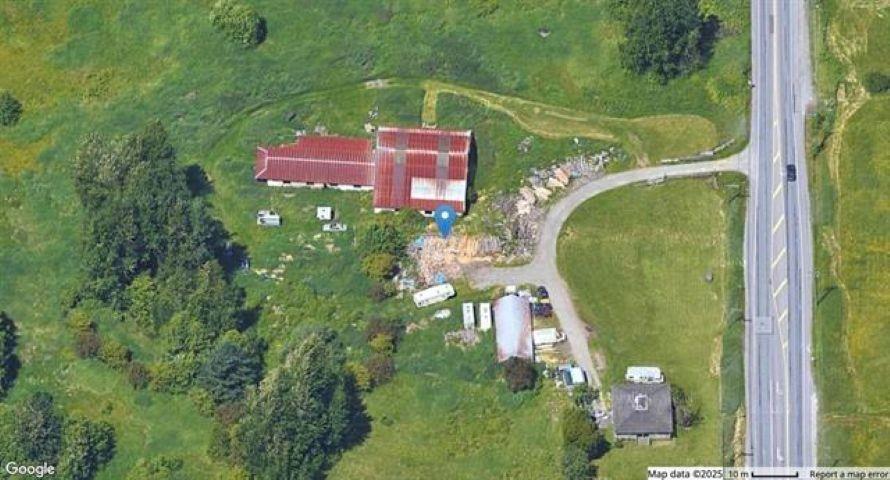
19944 18 AVENUE
Langley, BC
AgricultureListing brokerage: Homelife Benchmark Realty Corp.
MLS® #C8080887

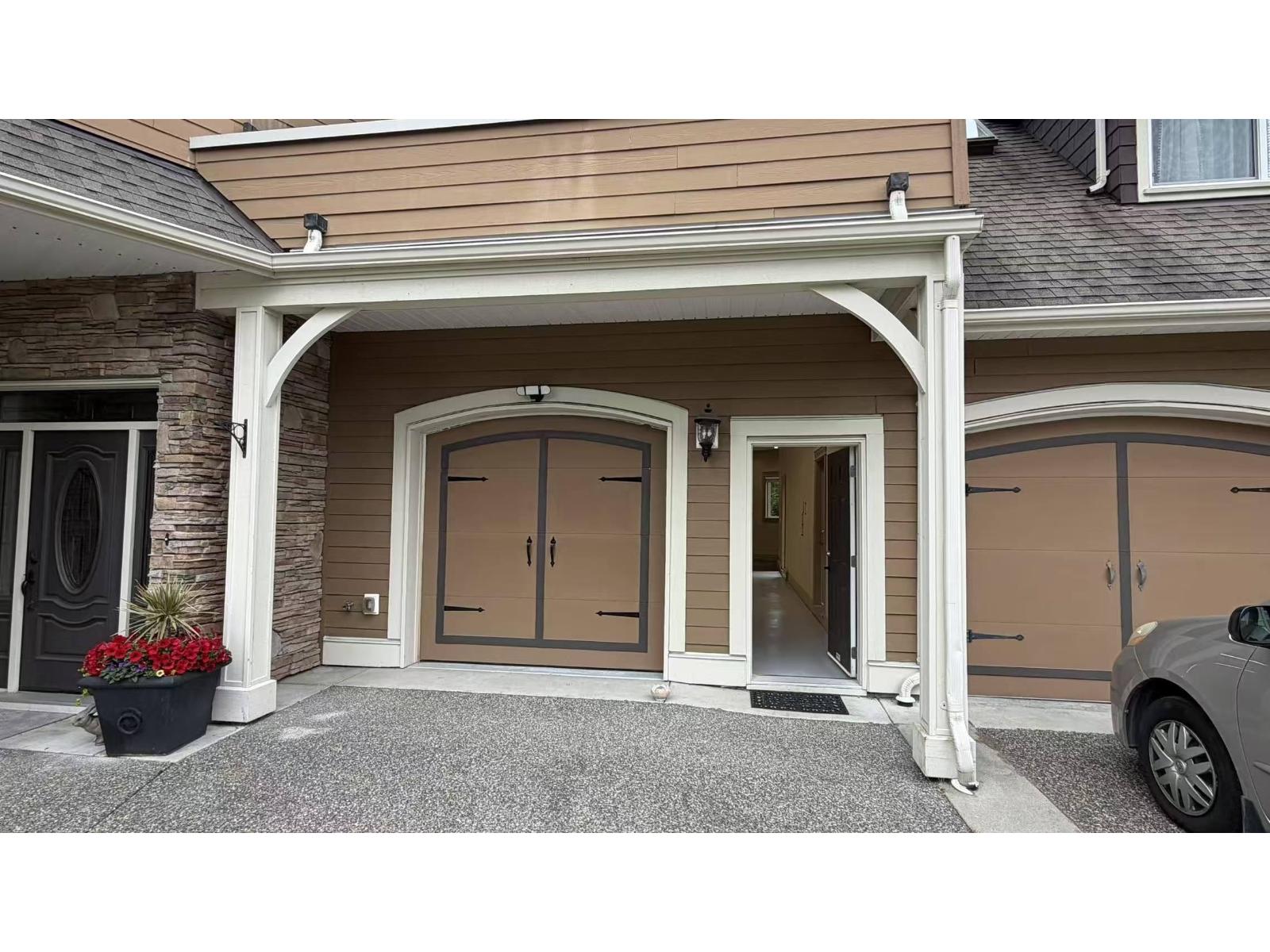
HOME OFFICE-3180 216
Langley, BC
OtherListing brokerage: Royal Pacific Riverside Realty Ltd.
MLS® #R3151526

Why lease farmland in BC?
A lease gives an operator access to productive land for a fraction of the upfront capital of a purchase. It lets new and expanding producers test a crop, a region or a scale of operation before committing to ownership — and it lets landowners keep farmland in production while retaining the land itself. In tight markets like the Fraser Valley and the Okanagan, where purchase prices for irrigated farmland can be out of reach for a new operation, leasing is often the fastest route onto good soil.
Leasing also serves a broader purpose. A large share of BC's agricultural land is owned by people who no longer farm it, and a lease is one of the simplest ways to put that land back into production. For a landowner, a written lease keeps the land farmed, can support farm-class property tax treatment, and generates income without a sale. For a tenant, it is a lower-risk way to build an operation, prove a market, and accumulate the track record a future purchase may require.
Lease vs. buy: which makes sense?
The choice between leasing and buying BC farmland comes down to capital, control and the length of the commitment you can make.
Leasing may fit when…
- You want to test a crop, region or scale before buying.
- Your capital is better deployed into equipment, stock or plantings than into land.
- You need land for a defined term — a season, a few years, or until a purchase elsewhere closes.
- You are an established operator expanding onto rented ground.
Buying may fit when…
- You want long-term control and the ability to build, subdivide (where permitted) or transfer the land.
- You are investing in permanent improvements — vineyards, orchards, barns, irrigation.
- You want the land itself as an appreciating asset.
- You can qualify for and service an agricultural mortgage.
Many operators do both over time — lease first, buy later. Read our Farm Buying Guide and Financing guide for the purchase side of the decision.
Common BC farm lease structures
BC farm leases typically take one of these forms. Each carries different risk, so the written agreement should set out rent, term, renewal, and who carries insurance, taxes and maintenance.
Cash lease
A fixed rent — paid annually or in instalments — for the right to farm the land. Predictable for both sides; the tenant keeps the crop proceeds and carries the production risk.
Crop-share lease
Rent paid as a share of the harvest rather than a fixed dollar amount. The landowner shares in a good or bad season, and the tenant's cash outlay is lower up front.
Flexible cash lease
A cash lease that adjusts with yield, price or revenue, blending predictability with shared risk. Common where a single fixed rent would misprice an unusual season.
Lease-to-own
A lease that includes an option or obligation to purchase the land during or at the end of the term. Useful when a buyer needs time to qualify for financing or prove the operation.
What transfers with a BC farm lease
A lease is a real interest in land, but it does not automatically carry every asset that makes a farm productive. The lease should state explicitly what the tenant may use and what stays with the landowner.
Water rights
A water licence under the Water Sustainability Act attaches to the land. The lease should set out who may use the licensed allocation, for what purpose, and how shared irrigation-district water is handled.
Quotas & licences
Supply-managed quotas (dairy, poultry) are separate from the land. Clarify whether a quota, licence or registration transfers with the lease or is a separate arrangement.
Buildings & improvements
Set out who may use existing barns, fencing and irrigation, who is responsible for repairs, and what happens to tenant-built improvements at the end of the term.
Equipment & stock
Equipment, livestock and stored crops are usually the tenant's unless the lease says otherwise. Inventory what stays and what goes to avoid a dispute at lease end.
Tax treatment of leased farmland
BC's Class 9 farm classification can lower property tax on working farmland, but it depends on the land actually being used to produce a primary agricultural product for sale and meeting a minimum gross farm income threshold. A leased farm can qualify — but the income must be generated on the parcel, and the classification can be lost if the land goes idle. Confirm the parcel's current classification with BC Assessment and understand what production will be required to keep it.
For the landowner, lease income is generally taxable and may carry GST considerations depending on the use. For the tenant, lease rent is an operating expense, and the crop, stock and equipment are the tenant's to account for. Both sides should understand who claims any farm-class benefit and who is responsible for property tax before signing.
This is educational information, not tax advice. Confirm the current rules with BC Assessment and a qualified BC tax professional for your situation.
Common pitfalls in a BC farm lease
- A verbal agreement. Without a written lease, rent, water use, repairs and renewal are all open to dispute.
- Ambiguous water rights. Assuming the tenant can use a licensed allocation without spelling out the volume, purpose and sharing can starve a crop or create conflict.
- Assuming ALR permission. A lease does not override Agricultural Land Commission rules — building, subdivision and non-farm use still need approval.
- No end-of-term plan. Tenant-built improvements, plantings and fixtures become contentious when the lease ends and no one agreed who keeps or removes them.
- Ignoring insurance and liability. A farm lease should set out who carries property and liability insurance and who is responsible for injury or damage.
- Overlooking property tax. Who pays — and who benefits from farm-class treatment — should be explicit, not assumed.
What to verify before signing a BC farm lease
A lease is a real interest in land. Treat the same due diligence as a purchase — the checklist below is the minimum a tenant should confirm in writing before signing.
- Water rights and source — licence status, annual allocation and authorised purpose under the Water Sustainability Act.
- ALR status and local zoning — permitted farm use, buildings and any non-farm-use restrictions.
- Soil capability — Canada Land Inventory class for your intended crop or livestock use.
- Condition and permitted use of any buildings, fencing, irrigation and drainage.
- Lease term, renewal terms and notice — how long the land is available and on what terms.
- Responsibility for property tax, insurance, maintenance and capital improvements.
This is educational information, not legal advice. Always have a farm lease reviewed by a qualified BC professional before signing.
What a written BC farm lease should include
A clear written lease protects both the landowner and the tenant. At minimum, the agreement should set out:
- The parties and the legal description of the land (PID / title reference).
- The lease term, any renewal options, and notice to terminate.
- Rent — amount, payment schedule, and any crop-share or flexible formula.
- Water — who may use the licensed allocation, volume, purpose and sharing.
- Permitted use, ALR status, and any limits on buildings or non-farm use.
- Buildings, fencing and irrigation — use, repair and responsibility.
- Tenant improvements — what may be built, and what happens at lease end.
- Property tax, insurance, liability and indemnity responsibilities.
- Compliance with farm-class, environmental and regulatory requirements.
- Dispute resolution and the governing law (British Columbia).
This is a general checklist, not a legal template. Have any lease reviewed by a qualified BC professional before signing.
Farmland leasing — frequently asked questions
Can you lease farmland in British Columbia?
Yes. Farmland leases are common in British Columbia, especially in the Fraser Valley, Okanagan and Vancouver Island. A lease gives an operator access to productive land without the full capital outlay of a purchase, and the terms — rent, term, renewal, water and permitted use — are negotiated between the landowner and tenant.
How much does it cost to lease farmland in BC?
Lease rates vary widely by region, soil capability, water availability, improvements and the type of operation. Irrigated Fraser Valley berry ground, dryland Interior forage and Okanagan vineyard land each carry very different per-acre rents. A cash lease is a fixed annual rent; a crop-share lease pays the landowner a share of the harvest instead. Always confirm the rent structure, what it includes and what the tenant is responsible for before signing.
What is a typical BC farm lease term?
BC farm leases range from short seasonal or year-to-year agreements to multi-year leases of five, ten or more years. Longer terms suit perennial crops, vineyards and orchards where the tenant invests in plantings or improvements and needs time to recover that investment. Shorter terms suit annual cropping or a trial season. The lease should set out the term, any renewal options and the notice required to end it.
Do water licences transfer with a BC farm lease?
A water licence under the BC Water Sustainability Act is attached to the land and generally stays with the landowner, but the lease should set out who holds the right to use the licensed water and how the allocation is shared. Always confirm the licence status, annual allocation and authorised purpose before signing, and treat a water-rights review as a condition of the lease.
Does ALR status matter for a leased farm?
Yes. Agricultural Land Reserve rules apply to leased land just as they do to owned land — they govern permitted farm use, buildings and subdivision. A lease does not override ALR restrictions, so confirm the parcel's ALR status and what the local zoning bylaw permits before relying on a particular use.
Can you build on leased ALR land?
Building on ALR land — whether owned or leased — is governed by Agricultural Land Commission rules and local government zoning. A second residence, a new farm building or a non-farm use often requires permission, and a tenant's right to build should be set out in the lease itself. Never assume a building right; confirm what is permitted for the specific parcel before committing.
Is a written farm lease required in BC?
BC does not require every farm lease to be in writing, but a written lease is strongly recommended and is often required to register an interest or to enforce terms beyond a short period. A verbal agreement leaves rent, water use, repairs and renewal open to dispute. A written lease protects both the landowner and the tenant and should be reviewed by a qualified BC professional before signing.
What should I verify before signing a BC farm lease?
Confirm water rights and source, ALR status and zoning, soil capability for your intended use, the condition and permitted use of any buildings, the lease term and renewal terms, and who is responsible for taxes, insurance and maintenance. Treat each as a condition of the lease where appropriate, and have the written agreement reviewed by a qualified BC professional.
Related farmland guides
Water Rights on BC Farmland
How to verify water licences, wells and irrigation rights before you lease or buy.
Read guideAgricultural Land Reserve (ALR)
What you can and can't do on ALR land — permitted use, buildings and subdivision.
Read guideFarmland Due Diligence Checklist
The complete checklist — title, ALR, water, soil, buildings and leases.
Read guideGurjit Ghai, REALTOR®
Personal Real Estate Corporation
Brokerage: Rexara Realty Inc.
Gurjit Ghai is a BC real estate professional specializing in agricultural land, ALR properties, and farm operations across British Columbia. He helps buyers and sellers navigate water rights, soil capability, farm classification, and the unique due diligence that farmland transactions require.