

Written by Gurjit Ghai, REALTOR®
Rexara Realty Inc.·Published: October 28, 2026·Water Rights
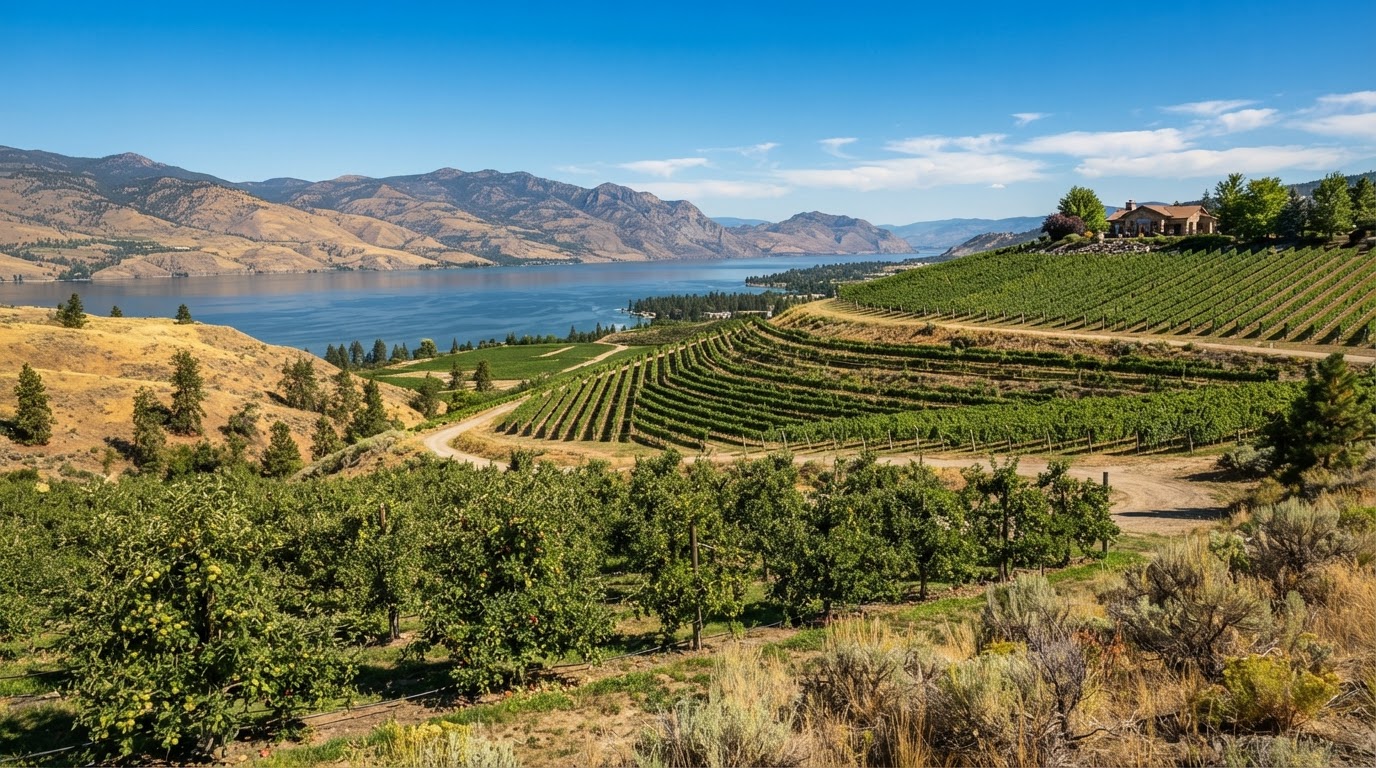
For much of British Columbia's farmland, especially outside the irrigation districts of the Okanagan and the Fraser Valley's ditch-served acreages, a drilled well is the primary water source. A reliable well can make a parcel productive and valuable; a failing or unlicensed well can turn a working farm into a legal and financial problem. Understanding how groundwater is regulated in BC is now a standard part of farm due diligence.
Groundwater was unregulated — until recently
Historically, BC did not license groundwater the way it licensed surface water. That changed with the Water Sustainability Act (WSA), which brought groundwater under the same licensing framework as surface water. The transition to a fully licensed groundwater regime has been phased, and the deadlines and requirements have evolved — verify the current status and any applicable transition rules with the Province of British Columbia before relying on a well for irrigation or livestock.
The key shift for buyers
Under the WSA framework, most non-domestic groundwater use — irrigation, livestock watering, industrial use — is expected to be licensed. A well that predates licensing may have transition rights, but those rights are not automatic and must be properly registered. A well that is not licensed where a licence is required can limit what the land can legally be used for.
What to verify before buying farmland with a well
- 1Well registration and record: obtain the well's construction report (well log) from the BC Groundwater Wells and Aquifers database. Confirm the well's identification, depth, and screened interval.
- 2Licence status: check whether the well's use requires a groundwater licence under the WSA and, if so, whether one is held and in good standing. Confirm the authorised purpose (irrigation, livestock, etc.), the authorised annual volume, and any conditions.
- 3Yield and capacity: review any pump-test records and historical yield data. Understand that a well's historical yield does not guarantee future output — aquifer conditions can change over time.
- 4Water quality: request recent water-quality analysis, especially if the water will be used for livestock or crops sensitive to minerals.
- 5Aquifer context: identify the aquifer the well draws from and any known stress, depletion or saltwater-intrusion risk, particularly in coastal and Gulf Island communities.
- 6Domestic vs. non-domestic use: confirm whether the well is classified as domestic (generally exempt from licensing) or whether the farm's intended use requires a commercial licence.
Why well capacity is not guaranteed
A common and expensive mistake is assuming that because a well produced a certain volume last year — or last decade — it will produce the same next year. Aquifer levels fluctuate with seasons and long-term precipitation trends. Neighbouring wells can draw down the same aquifer. In drought years, some Interior and Gulf Island wells have failed or been put under voluntary restrictions. Treat well capacity as something to verify, not assume.
Irrigation acreage vs. licensed volume
If the property is irrigated, compare the licensed or historic volume against the acreage you intend to water. Irrigation demand varies enormously by crop — a drip-irrigated vineyard uses far less than overhead-irrigated forage or vegetables. A mismatch between the available water and the planned crop is one of the most common reasons a farm purchase does not perform as expected.
Shared wells and easements
Some rural farms share a well across property lines under a written or unwritten agreement. Before relying on a shared well, review the registered easement or agreement, confirm the cost-sharing and maintenance terms, and understand that a shared source introduces dependency on a neighbour's use and upkeep. A shared well without a clear legal agreement is a due-diligence flag.
A well is a tangible asset with a regulatory dimension. Verify the record, the licence status, the capacity, and the aquifer context — and treat any uncertainty as a condition of your offer rather than a problem discovered after closing.
Important: This information is educational only and is not legal, tax, financial or regulatory advice. ALR rules, water licensing, zoning and farm-classification requirements can change and depend on your specific property and circumstances. Always verify with the relevant BC authorities and qualified professionals before making decisions.
Frequently Asked Questions
- Do I need a groundwater licence for a well on BC farmland?
- It depends on the use. Under the Water Sustainability Act, non-domestic groundwater use — including most irrigation and livestock watering — is expected to be licensed. Domestic use is generally exempt. Confirm the specific requirements and the current transition status with the Province of British Columbia for the property you are considering.
- Does a well transfer automatically when I buy the farm?
- The physical well transfers with the land, but the right to use the water is tied to the licence and its terms. A groundwater licence, like a surface-water licence, is attached to the land but must be properly registered and in good standing. Verify the licence status, authorised volume, and any transfer requirements with the provincial water authority before completing a purchase.
- Is the well's historical yield a guarantee of future output?
- No. Aquifer conditions can change over time due to seasonal variation, neighbouring draw, long-term precipitation trends, or aquifer stress. A well's past performance is useful information, not a guarantee. Request recent pump-test data and consider an independent yield assessment.
- What if the well is shared with a neighbouring property?
- Review any registered easement or written agreement covering the shared well, including maintenance and cost-sharing terms. A shared well without a clear legal arrangement is a due-diligence concern because it introduces dependency on a neighbour's use and upkeep.
- Where can I look up a BC well record?
- The BC Groundwater Wells and Aquifers database (maintained by the Province) lets you search well construction reports and aquifer information by location. Use it to confirm a well's depth, construction, and registered details before relying on it.
Gurjit Ghai, REALTOR®
Personal Real Estate Corporation
Brokerage: Rexara Realty Inc.
Gurjit Ghai is a BC real estate professional specializing in agricultural land, ALR properties, and farm operations across British Columbia. He helps buyers and sellers navigate water rights, soil capability, farm classification, and the unique due diligence that farmland transactions require.