
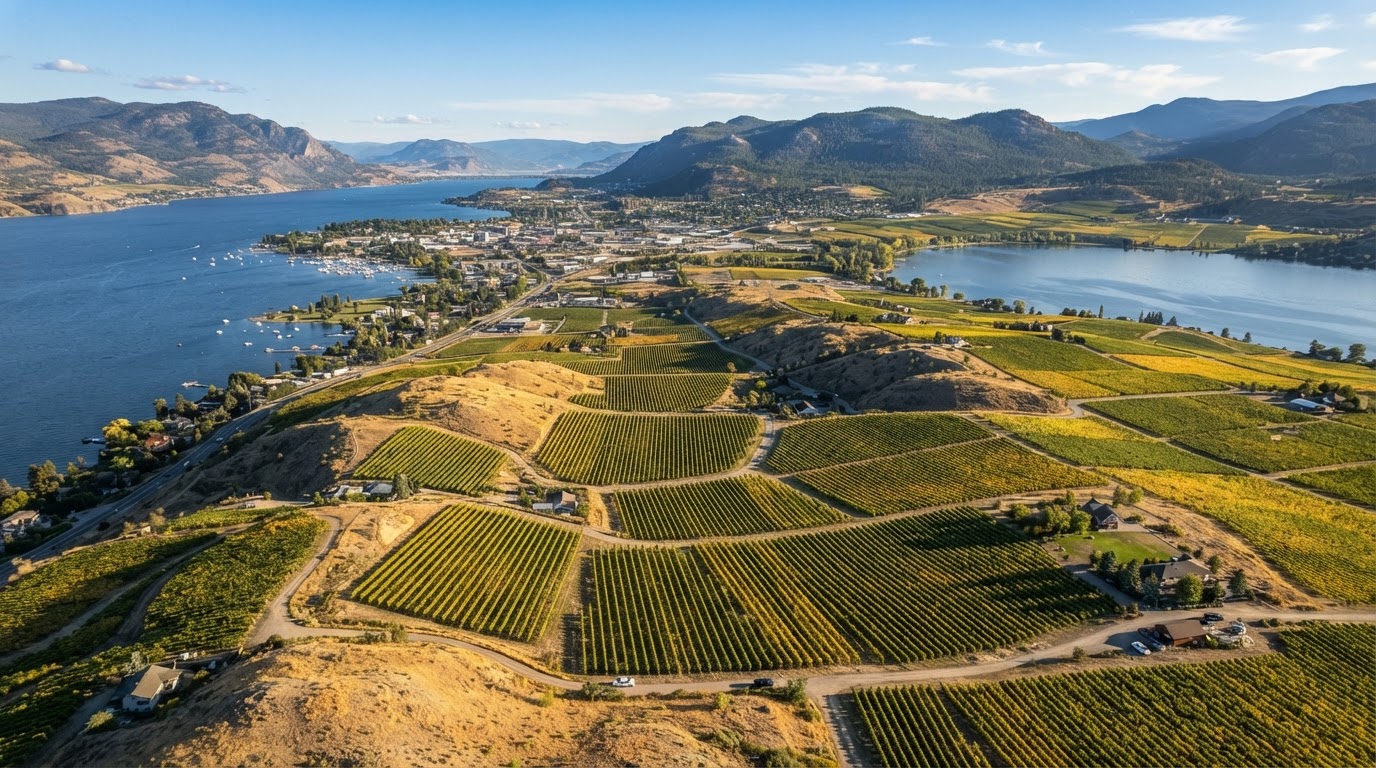
Vineyards for Sale in Lillooet
Lillooet is one of BC's hottest and driest communities, with an emerging wine industry on the benchland above the Fraser River. Buying a Lillooet vineyard means verifying licensed irrigation water in an arid setting, assessing site aspect and elevation, and understanding that this is a frontier wine region with both opportunity and risk.
Why Lillooet
Vineyards & Wineries in Lillooet
Lillooet's extreme heat, long growing season and benchland above the Fraser River make it one of BC's hottest emerging wine regions, with a climate that can ripen varieties few other Interior sites can.
What to Know Before Buying
Lillooet is one of BC's hottest and driest communities, sitting in the Fraser Canyon where benchland above the river gets extreme sun and heat. This gives Lillooet a growing season that can ripen varieties few other Interior sites can match, making it a genuine frontier wine region. But the same arid climate that makes ripening possible also makes water the single most critical factor — without secure, licensed irrigation water, a Lillooet vineyard is not viable.
Water on a Lillooet vineyard typically comes from a licensed surface source off the Fraser River system, a licensed well, or an irrigation-district allocation. In this arid setting, the reliability and priority of that water allocation is the decisive factor in what the land can produce. Buyers must verify the licence status, allocation volume and authorised purpose under the Water Sustainability Act — and understand that in a drought year, water priority on the Fraser system can determine whether the vineyard survives.
Lillooet's wine industry is still emerging, which means both opportunity and risk. The climate can produce exceptional fruit, but the infrastructure — wineries, tasting rooms, supply chains — is less developed than the Okanagan. Many Lillooet vineyard properties are smaller and more remote than Okanagan counterparts. Confirm ALR status, water reliability, road access and what direct-sales or agri-tourism activity the specific parcel permits before relying on the frontier-region opportunity.
Due Diligence Checklist
- Verify the water licence status, allocation volume, priority and authorised purpose under the Water Sustainability Act — in arid Lillooet, water priority is the single most critical factor.
- Assess vine age, variety mix, vigour and the replanting timeline — confirm varieties suit the extreme-heat site.
- Evaluate site aspect, elevation and frost air-drainage on the Fraser Canyon benchland.
- Confirm year-round road access for remote canyon properties.
- Confirm ALR status and any direct-sales, agri-tourism or event permissions for the parcel.
- Review soil capability, drainage and any riparian or Fraser River setbacks.
- Assess the maturity of local wine infrastructure — supply chains and services are less developed than the Okanagan.
What Drives Value
Illustrative guidance only — actual value depends on the specific parcel, its condition, water, soil and current market. Not a formal valuation.
Frequently Asked Questions
How does a Lillooet vineyard differ from one in the Okanagan?
Lillooet is hotter and drier than most of the Okanagan, sitting in the Fraser Canyon with extreme heat and a long growing season that can ripen varieties few other Interior sites can match. But it is a frontier wine region with less-developed infrastructure, and the arid climate makes water reliability even more critical than in the Okanagan. The opportunity is real, but so is the risk.
Is water the most important factor when buying a Lillooet vineyard?
Yes, and more so than almost anywhere in BC. Lillooet is one of the province's hottest and driest communities, and without secure, licensed irrigation water a vineyard is not viable. Verify the licence status, allocation volume and water priority under the BC Water Sustainability Act — in a drought year, water priority on the Fraser system can determine whether the vineyard survives.
What varieties grow well on a Lillooet vineyard?
Lillooet's extreme heat and long growing season can ripen varieties that few other Interior sites can match, particularly later-ripening reds. But the arid climate means water is the limiting factor — the range of varieties you can grow is set by the licensed water allocation, not just the climate. Confirm both the variety mix and the water allocation before buying.
Is a Lillooet vineyard a good investment?
Lillooet is a frontier wine region with genuine climate potential but less-developed infrastructure than the Okanagan. The opportunity is real — the climate can produce exceptional fruit — but the risk is also real: water reliability, remote access and a less-mature supply chain. Assess water, access and local wine infrastructure carefully before relying on the frontier-region opportunity.
Related Resources
Looking for vineyards & wineries in Lillooet?
From Lillooet vineyards & wineries to other BC farm types, get expert guidance from a real estate professional who specializes in British Columbia agricultural land.