

Written by Gurjit Ghai, REALTOR®
Rexara Realty Inc.·Published: October 23, 2026·Buying
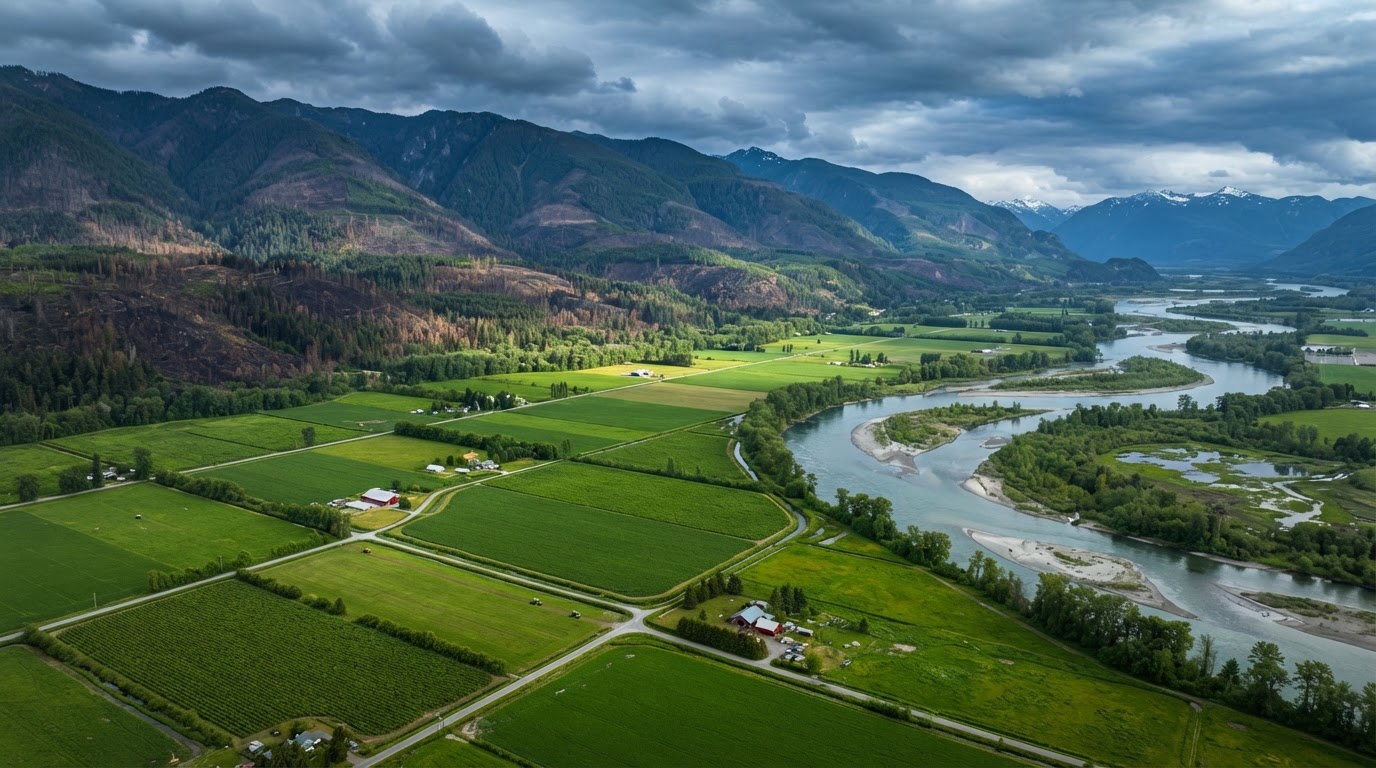
A vineyard is one of the most complex agricultural assets a buyer can purchase in British Columbia, because it bundles three things into one transaction: the land (soil, aspect, drainage, ALR status), the water (irrigation licences and source reliability), and the operation (the vines, the winery permits, the grape contracts, the brand). A buyer who assesses only the land is doing a third of the due diligence. This guide is the complete checklist for buying a BC vineyard — what to verify on the land, the water, the vines, the business, and the permits — before you remove subjects.
This article is the vineyard-specific companion to our broader farm buying guide and due diligence checklist, and it connects to the Okanagan region and vineyard property-type pages. Where the general guides cover the baseline, this one focuses on what makes a vineyard different from any other farm.
The short answer
Buying a BC vineyard means due diligence on five layers: the land (ALR status, soil capability, aspect, drainage, frost risk), the water (irrigation licences, source reliability, allocation adequacy), the vines (age, varietals, health, rootstock, trellising), the business (winery permits, grape contracts, brand, inventory, equipment), and the permits (license-to-manufacture, food premises, tasting room, any non-farm use approvals). The single biggest mistake is treating a vineyard purchase as a land purchase — the vines, the water, and the permits are where the value and the risk live, and each one has its own due-diligence check.
Layer 1: The land
A vineyard starts as land, and the land determines what the vines can do. The due-diligence checks on the land layer are: (1) confirm the parcel's ALR status on the ALC portal — most BC vineyards are in the ALR, which governs what can be built and whether non-farm uses (a tasting room, an event venue) require an application; (2) assess the soil capability — vineyards tolerate poorer soils than most crops, but soil class, drainage, and rooting depth still matter for vine health and vigour; (3) assess the aspect and slope — south-facing slopes in the Okanagan and warm microclimates on Vancouver Island affect ripening and frost risk; (4) assess the drainage and frost risk — air drainage down a slope reduces frost risk, while low-lying pockets collect cold air and frost; and (5) confirm the title, easements, rights of way, and any covenants that affect the land.
The land layer also includes the improvements — the fencing, the access roads, the irrigation infrastructure (headlines, emitters, pump stations), and any buildings. Assess the condition and the remaining useful life of each, because replacing an irrigation system or rebuilding a farm building is a material cost on top of the purchase price.
Layer 2: The water
On a BC vineyard, the water is often the limiting factor, not the soil. Vineyards in the Okanagan and parts of Vancouver Island are irrigation-dependent, and the value of the parcel is tied to the security and adequacy of the water licences. The due-diligence checks on the water layer are: (1) confirm every surface and groundwater licence is in good standing under the Water Sustainability Act (see our water rights guide and water licence transfer guide); (2) confirm the authorised purpose is irrigation and the authorised quantity covers the planted acreage; (3) assess the source reliability — is the licence on a reliable reservoir, stream, or aquifer, or one under stress; and (4) confirm whether the irrigation works are private or shared, and the status of any shared arrangement.
A vineyard with an inadequate or insecure water licence is a different asset than one with secure, adequate irrigation — and in a drought year, the difference is the difference between a crop and no crop. Do not treat the water as a line item; treat it as a core asset and value it accordingly.
Layer 3: The vines
The vines are the productive asset, and their condition determines the vineyard's near-term revenue. The due-diligence checks on the vine layer are: (1) confirm the planted varietals and their market demand — a vineyard planted to a varietal the market wants is worth more than one planted to a varietal the market has moved away from; (2) assess the age of the vines — young vines are years from full production, mature vines are in production but nearer the end of their productive life, and each has a different value profile; (3) assess vine health — disease pressure (leafroll virus, crown gall, nematodes), vigour, and any history of pest or disease issues; (4) confirm the rootstock and trellising system, which affect vigour management and replanting decisions; and (5) assess the vine spacing and the block layout, which affect mechanisation and labour costs.
A vineyard is not a uniform asset — a parcel with healthy, mature, market-demand varietals is a different investment than the same acreage with declining, diseased, or out-of-favour vines. If the seller is representing the vineyard as a productive asset, ask for production records, tonnage history, and any vine-health assessments.
Layer 4: The business and the brand
If the vineyard includes a winery or a brand, the transaction may include a business, not just a farm. The due-diligence checks on the business layer are: (1) confirm what is included in the sale — is it the land only, the land and the vines, or the land, the vines, the winery, the brand, the inventory, and the equipment; (2) if a winery is included, confirm the manufacturing licence (the federal and provincial permits to produce wine) and whether it transfers; (3) confirm any grape contracts — commitments to sell grapes to a specific winery or to buy grapes from specific growers — and whether they transfer; (4) assess the inventory (wine in tank, barrel, or bottle) and the equipment (presses, fermenters, barrels) if included; and (5) assess the brand and any intellectual property if the business is part of the sale.
The distinction between 'land with vines' and 'land with a wine business' is the single most important question in a vineyard transaction. A buyer who assumes the winery permits, the brand, and the inventory transfer with the land may be buying a different asset than they think. Confirm in writing what is and is not included, and engage a professional to structure the business transfer where one is contemplated.
Layer 5: The permits and the tasting room
Many BC vineyards include a tasting room or a direct-to-consumer sales channel, and these involve a layer of permits that do not come with the land. The due-diligence checks on the permit layer are: (1) confirm the food premises and any liquor licensing for the tasting room, and whether the licences transfer; (2) confirm whether the tasting room or any event venue is a permitted farm use, a use permitted with conditions, or a non-farm use requiring an ALC application; (3) confirm the local zoning permits the use; and (4) confirm any building permits or occupancy approvals for the tasting room and any event structures.
A tasting room that operates without the right permits — or that depends on a non-farm use approval that was never obtained — is a compliance risk the buyer inherits. Confirm the permit layer before closing, and where a permit is central to the value, make its transfer or approval a condition of the purchase.
The BC vineyard due-diligence checklist
- 1Land: confirm ALR status, soil capability, aspect and slope, drainage and frost risk, title, easements, and covenants.
- 2Land improvements: assess the condition and remaining life of fencing, roads, irrigation infrastructure, and buildings.
- 3Water: confirm every surface and groundwater licence is in good standing, that the authorised purpose is irrigation, that the quantity covers the planted acreage, and that the source is reliable. See the water licence transfer guide.
- 4Vines: confirm varietals and market demand, vine age, vine health and disease pressure, rootstock and trellising, and block layout and spacing.
- 5Production: ask for tonnage history and production records if the vineyard is represented as a productive asset.
- 6Business: confirm in writing what is included — land only, land and vines, or land, vines, winery, brand, inventory, and equipment.
- 7Winery permits: confirm the manufacturing licence and whether it transfers; confirm any grape contracts and whether they transfer.
- 8Inventory and equipment: assess wine in tank, barrel, or bottle and the winery equipment if included in the sale.
- 9Tasting room: confirm food premises and liquor licensing, whether the use is a permitted farm use or a non-farm use requiring an ALC application, and local zoning.
- 10Tax: confirm farm classification status with BC Assessment and the water-licence, ALR, and farm-class interaction.
- 11Engage the right professionals — a viticulturist for the vines, a water-law professional for the licences, a business advisor for the winery transfer, and your real estate professional for the transaction.
Regional vineyard considerations
| Region | Vineyard consideration |
|---|---|
| Okanagan (South) | Warmest growing region; irrigation-dependent; confirm water-licence adequacy and source reliability for vineyards in Oliver, Osoyoos, and Kelowna. |
| Okanagan (North) | Slightly shorter season; confirm frost risk and varietal suitability for vineyards in Vernon, Armstrong, and Lake Country. |
| Similkameen | Dry, high-quality grape-growing conditions; water-licence security is central; confirm allocation for Cawston and Keremeos vineyards. |
| Vancouver Island / Gulf Islands | Maritime climate; different varietals and lower irrigation demand; confirm well licensing where the parcel relies on a well. |
| Fraser Valley | Emerging wine region; confirm ALR status, water, and any non-farm use approvals for tasting rooms. |
This table is a regional starting point, not a parcel-specific assessment. Two vineyards in the same region can have very different value profiles depending on the varietals, the vine age, the water licences, and the permits. Use the table to know what to check first — not to decide what to ignore.
The bottom line
A BC vineyard is a farm, a water right, a set of vines, and — sometimes — a winery and a brand, all in one transaction. The due diligence runs across five layers: the land, the water, the vines, the business, and the permits. The single biggest mistake is treating a vineyard purchase as a land purchase, because the vines, the water, and the permits are where the value and the risk live. A buyer who verifies all five layers before removing subjects is buying the asset they think they are buying; a buyer who verifies only the land is not.
If you are buying a BC vineyard and want help working through the five-layer due diligence before you remove subjects, contact Gurjit for a conversation that starts with the vines and the water, not after them.
Important: This information is educational only and is not legal, tax, financial or regulatory advice. ALR rules, water licensing, zoning and farm-classification requirements can change and depend on your specific property and circumstances. Always verify with the relevant BC authorities and qualified professionals before making decisions.
Frequently Asked Questions
- What should I check before buying a BC vineyard?
- Run due diligence on five layers: the land (ALR status, soil, aspect, drainage, frost risk, title), the water (irrigation licences in good standing, authorised purpose, allocation adequacy, source reliability), the vines (varietals, age, health, rootstock, layout), the business (what is included — land, vines, winery, brand, inventory, equipment — and whether permits and contracts transfer), and the permits (tasting room, liquor licensing, any non-farm use approvals). The single biggest mistake is treating a vineyard as a land purchase — the vines, the water, and the permits are where the value and the risk live.
- Do water licences transfer when I buy a vineyard in BC?
- A water licence is appurtenant to the land and generally transfers with the purchase, but only if it is in good standing and the authorised use matches the buyer's operation. On an irrigation-dependent vineyard, the water licence is a core asset — confirm it is in good standing, that the authorised purpose is irrigation, that the quantity covers the planted acreage, and that the source is reliable. See our water licence transfer guide for the full due-diligence framework. Do not treat the water as a line item; treat it as a core asset and value it accordingly.
- Does a winery licence transfer with the sale of a vineyard?
- It depends on what is included in the sale and how the transaction is structured. The federal and provincial manufacturing permits to produce wine may or may not transfer with the land — a vineyard purchase and a winery-business purchase are different transactions. Confirm in writing whether the sale includes the winery, the brand, the inventory, and the equipment, and whether the manufacturing licence and any grape contracts transfer. Where a permit or contract is central to the value, make its transfer a condition of the purchase and engage a professional to structure the business transfer.
- Can I open a tasting room on ALR vineyard land in BC?
- A tasting room or direct-to-consumer sales channel on ALR land may be a permitted farm use, a use permitted with conditions, or a non-farm use requiring an application to the Agricultural Land Commission, depending on the scale and the local zoning. Confirm whether the use is already permitted, whether it requires an ALC application, and whether the local zoning allows it. A tasting room that operates without the right permits — or that depends on a non-farm use approval that was never obtained — is a compliance risk the buyer inherits. See our ALR non-farm use guide for the application framework.
- How old should the vines be when buying a vineyard?
- Vine age is a value factor, not a simple positive or negative. Young vines are years from full production, which means a longer runway to revenue; mature vines are in full production but nearer the end of their productive life and may be approaching replanting. The right profile depends on the buyer's plan — a buyer who wants near-term revenue may prefer mature vines, while a buyer building a long-term operation may accept young vines. Assess the age alongside the varietals, the vine health, and the production history, and ask the seller for tonnage records if the vineyard is represented as a productive asset.
- What is the difference between buying vineyard land and buying a wine business?
- Buying vineyard land means buying the real estate — the soil, the water rights, and the vines. Buying a wine business may also include the winery, the manufacturing licence, the brand, the inventory (wine in tank, barrel, or bottle), the equipment, and any grape contracts. The two are different transactions with different due diligence and different values. The single most important question in a vineyard purchase is what is included in the sale — confirm it in writing, and where a business is contemplated, engage a professional to structure the transfer.
Gurjit Ghai, REALTOR®
Personal Real Estate Corporation
Brokerage: Rexara Realty Inc.
Gurjit Ghai is a BC real estate professional specializing in agricultural land, ALR properties, and farm operations across British Columbia. He helps buyers and sellers navigate water rights, soil capability, farm classification, and the unique due diligence that farmland transactions require.